
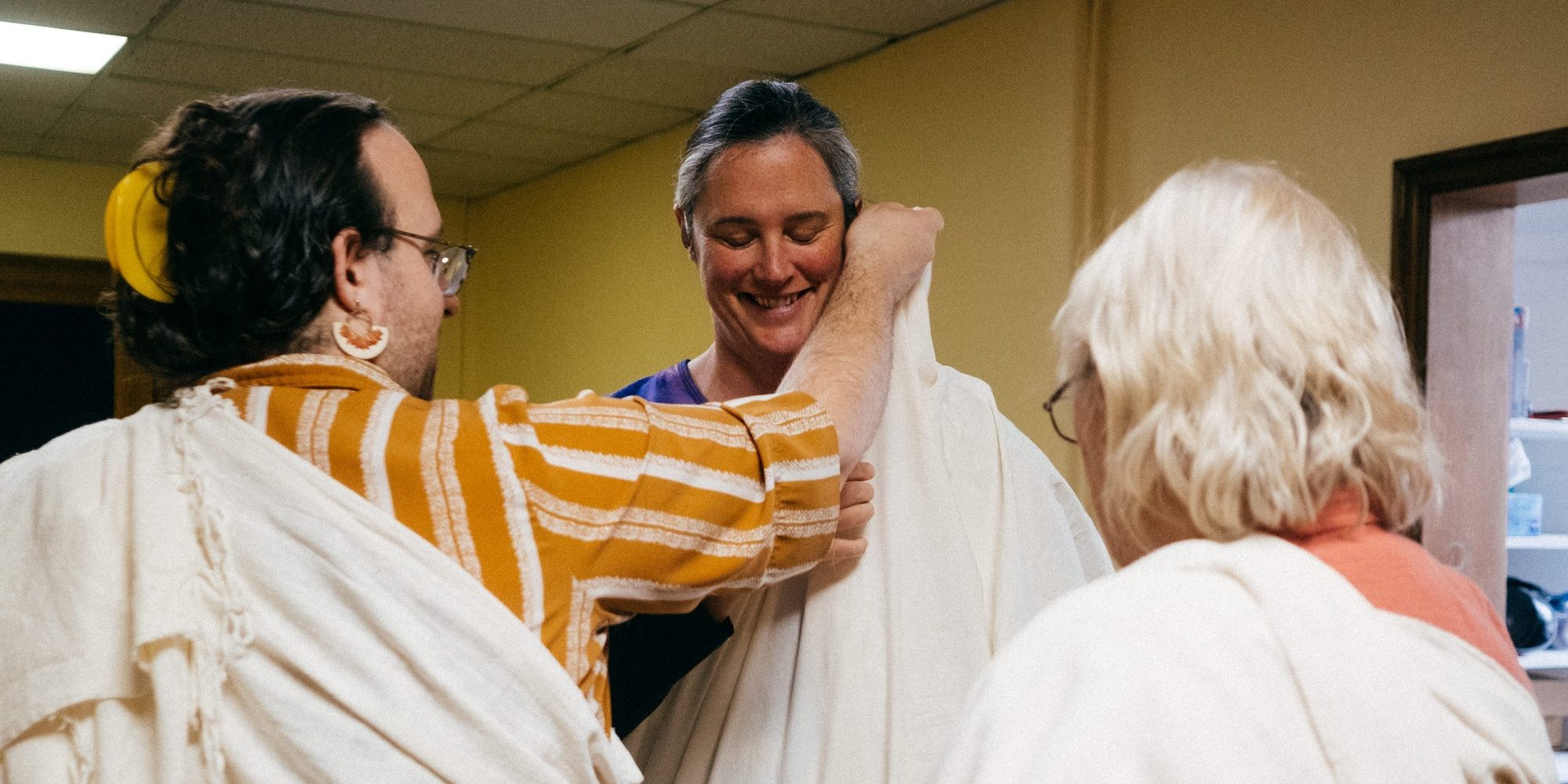
serving the sangha,
our source of refuge
My doctoral training as a historian and the vows I took as a devoted lay householder inform my service to the Three Jewels and Three Roots.
William Tseten Dorje Soergel
Karma Yeshe Jungne
Nyingmapa-raised
upāsaka or genyen in the Karma Kagyu lineage
upāsaka, noun. an ordained lay householder who serves, or ministers for, the Three Refuges:
the Buddha, his Dharma, and our Sangha
Sanctuary is a throughline that runs from my education as a historian of ancient religion and from my Buddhist upbringing to ministry today. Historians investigate more than just the past and its larger context with its vast web of causes and conditions: they write to profess a philosophy about life itself.
My dissertation, “Roman Sanctuary (400 BCE – 200 CE),” argued that Rome’s history shaped their view of sanctuary as a safe place for those in need. This idea of hospitality informs my dharma ministry. In Buddhism, we begin our spiritual journey by seeking refuge in the Buddha, his teachings, and the community of his followers. This devotional view of refuge is the true foundation of any spiritual path.
“I do not teach dharma—I teach about dharma. I cannot lead you across the river of samsāra, but I can support you in your crossing as a spiritual friend.”
Today my activities include education on and service to these sources of refuge. As a lay Buddhist teacher, I bring my focus on sources, like the historically rich text of the Vinaya, to dharma talks and have led lessons on important historical figures, like Guru Padmasambhava, Milarepa, and other Kagyu founders. I am working on converting my dissertation into a public history book on the tradition of refuge in ancient Western civilization. I bring this rich scholarly perspective to my devotional and creative outlets as a micronationalist and contemporary Buddhist pagan.
Upāsaka William Tseten Dorje Soergel
Karma Yeshe Jungne
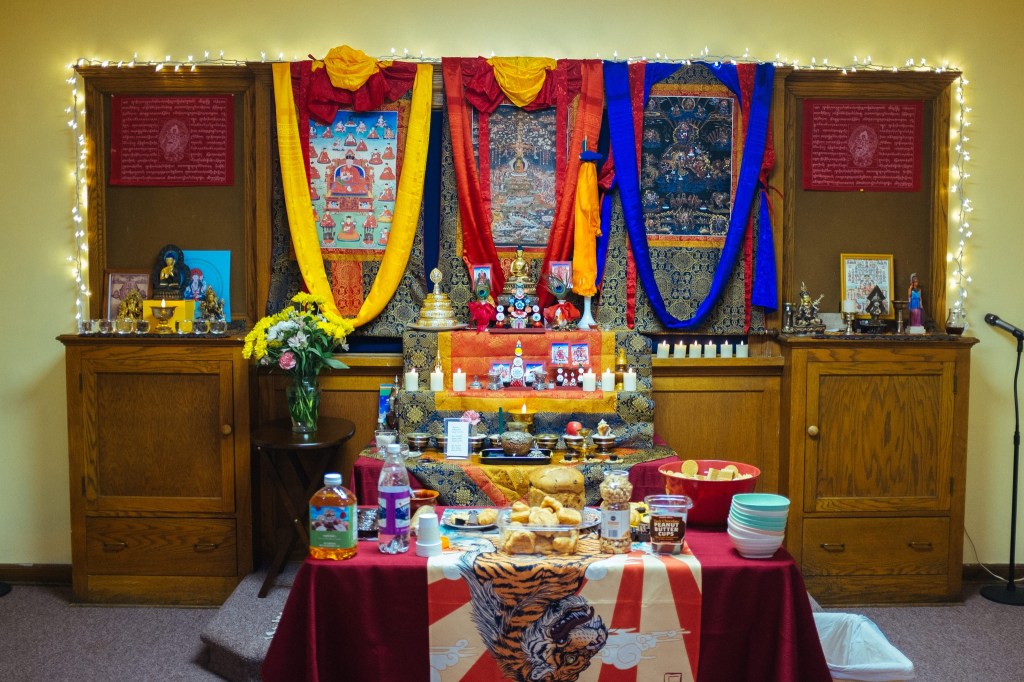
I am particularly devoted to my personal deities,
Buddha Amitābha and Athena
“Although all beings seek refuge in one way or another, few people understand all the different ways we can go for refuge and what their varying significances are. We are always taking refuge in something we perceive to be a source of protection, whether it be immediate, temporary, or permanent.”
Khenpo Karthar Rinpoche’s epitome of Karma Chagme’s Mountain Dharma (vol. 1, pg. 181) on the significance of going for refuge
I love hearing from you
One of my favourite parts of being an educator is hearing from my students, and I appreciate receiving your feedback. Review like that is what allows us to master knowledge—and wisdom.

